
Athlete first
The Individual Athlete
My coaching philosophy is ultimately very simple: to get the absolute best out of the individual athlete.
I believe a successful coaching system needs structure, but that structure should only ever be the template. The programme must be built around the individual athlete and continually adapted as that athlete develops. No two athletes have exactly the same physiology, background, lifestyle, strengths, weaknesses or ability to absorb training, and therefore I do not believe they should simply be fitted into a fixed programme.
The long view
Development and Consistency
My philosophy is fundamentally based around long-term development and consistency. Short-term goals and performances are important because they allow us to measure progression and, importantly, give the athlete evidence that what we are doing is working. That builds belief and trust. But the long-term objective must always remain bigger than the next race.
At the centre of my endurance philosophy is building the aerobic engine. Mileage, endurance and threshold development are fundamental, but training load has to be appropriate to what the individual athlete can absorb. There is little value in completing impressive training sessions if the athlete continually becomes sick, injured or exhausted. I have no interest in "hero sessions". Months and years of consistent training will always beat occasional spectacular workouts.
Once I believe the engine is sufficiently developed, I increasingly focus on speed, speed endurance, running mechanics, efficiency and the athlete's ability to maintain speed under fatigue. These qualities also develop naturally through proprioception and years of running, but specific speed work becomes increasingly important as the athlete develops the physical capacity to absorb it.
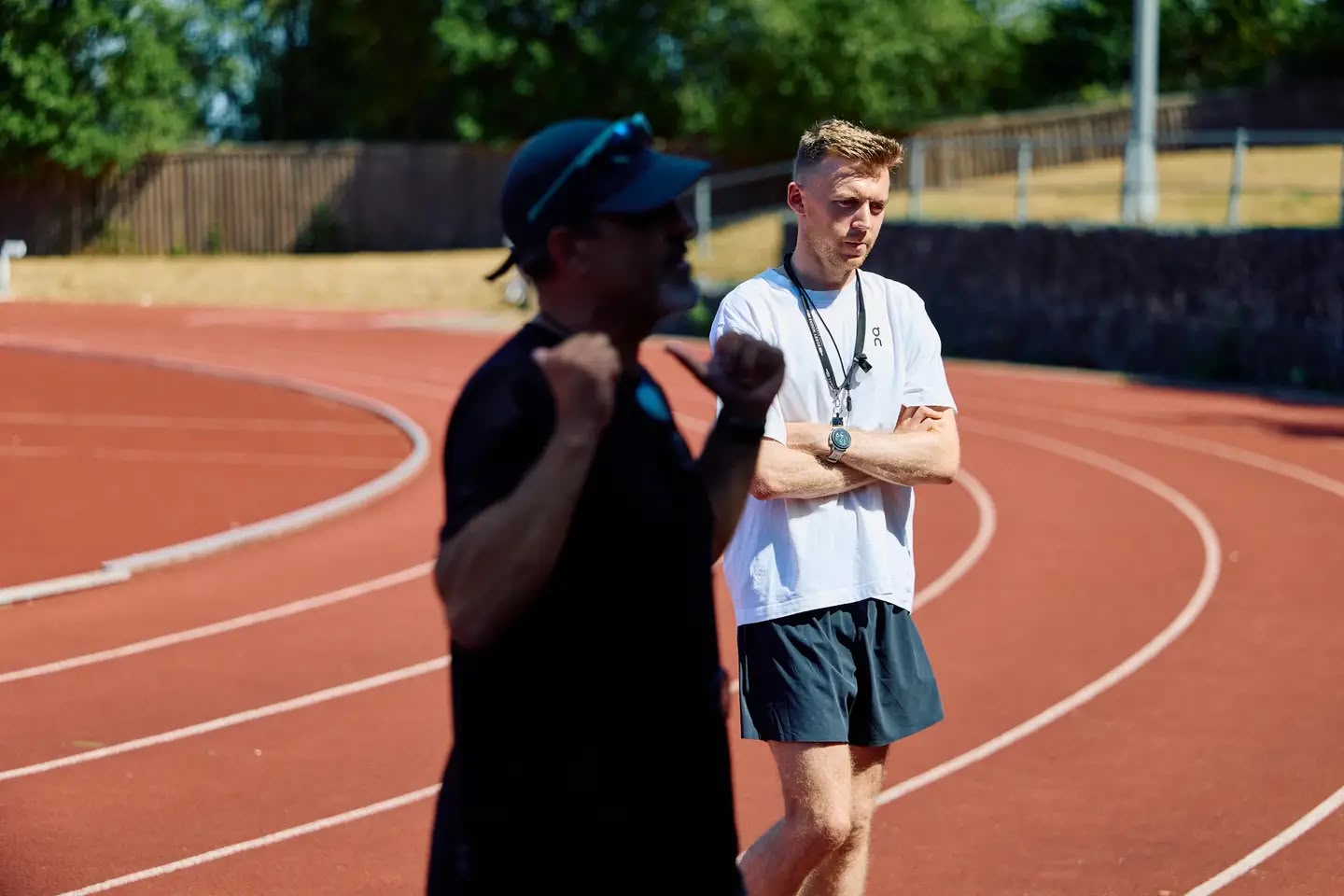
The coach’s eye
Training Decisions
I will never push an athlete hard simply because a programme says that a session must be completed. I watch breathing, leg movement, posture, rhythm, flow and the athlete's overall behaviour. If those things tell me that the intended training stimulus is no longer being achieved, I will adapt the session—shorter repetitions, slower running, a different stimulus or, when necessary, stopping altogether. Finish intervals semi exhausted NOT Destroyed. The programme serves the athlete; the athlete does not serve the programme.
Evidence and judgement
Science and Recovery
I strongly believe in sports science and use physiological testing and data to help guide training. Lactate, VO₂max, heart rate, HRV and laboratory testing can all provide valuable information. But numbers should never coach the athlete. For me, science works best when combined with experience, observation and pragmatic coaching judgement. Ultimately, the human coach must make the final decision.
One of the qualities I value most highly in my own coaching is the coach's eye: knowing the athlete well enough to recognise subtle changes in movement, rhythm, fatigue, confidence and behaviour that data alone may not reveal. Communication and athlete feedback are therefore every bit as important as measurable data.
Recovery is fundamental to my philosophy and begins immediately after the training stimulus. Recovery is not simply taking a day off. It includes appropriate easy running, spacing harder sessions correctly, nutrition and protein soon after demanding training, sleep and mental recovery. After a hard race, for example, I prefer a short warm-down rather than adding unnecessary workload when the priority should already have shifted towards recovery. The Easy days protect the HARD DAYS.
Strength and conditioning are also important, but they must be individualised. I generally place greater emphasis on strength during the winter while maintaining strength and movement patterns throughout the racing season. Previous injury rehabilitation should remain part of an athlete's long-term strength programme rather than disappearing once the injury has healed. Strength requirements should also reflect the athlete's occupation, lifestyle and training environment. An athlete doing physical work or regularly training over demanding hills does not necessarily require the same additional strength loading as an office-based athlete training predominantly on flat terrain.
Purposeful competition
Racing and Environment
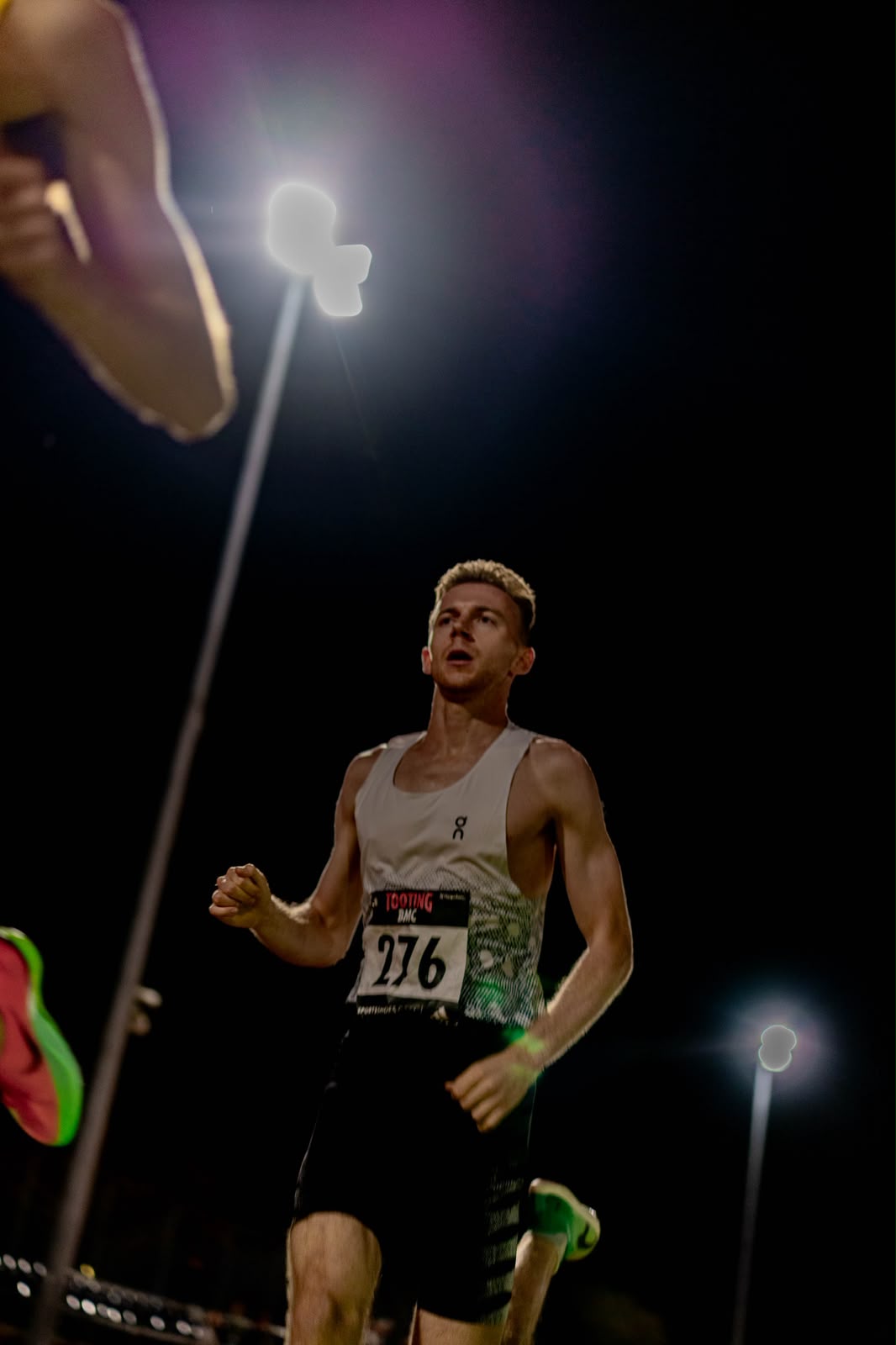
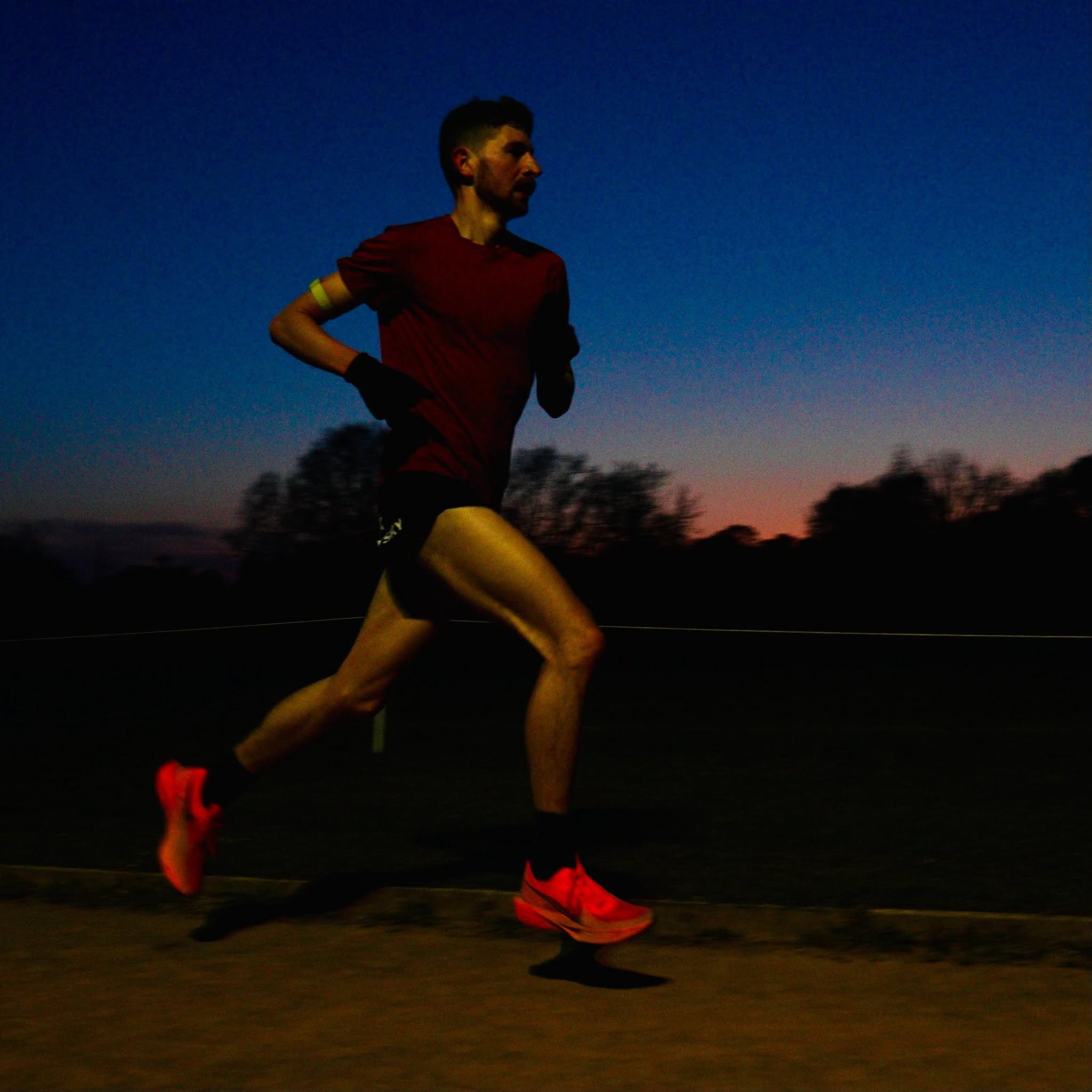
Racing is not separate from development it is part of it. Different race distances can be deliberately used to develop different qualities. Shorter races can develop speed, commitment and the ability to manage high-speed competition, while longer races can strengthen endurance and an athlete's ability to maintain performance under fatigue. Race selection should therefore have a developmental purpose rather than simply filling a calendar.
As major competitions approach, I generally reduce overall mileage and increase race-specific work while retaining a reduced amount of threshold training. Peaking and tapering should itself be treated as an individual process: something that is observed, tested, learned from and refined rather than blindly copied from another athlete. Keep Intensity BUT reduce the Volume.
I strongly value good training partners, elite environments, training camps, altitude and exposure to high-level athletes. However, I do not believe an athlete should abandon their own programme simply for the opportunity to train alongside somebody else. If we believe our programme can develop a world-class athlete, then training environments and training partners should complement that programme rather than dictate it.
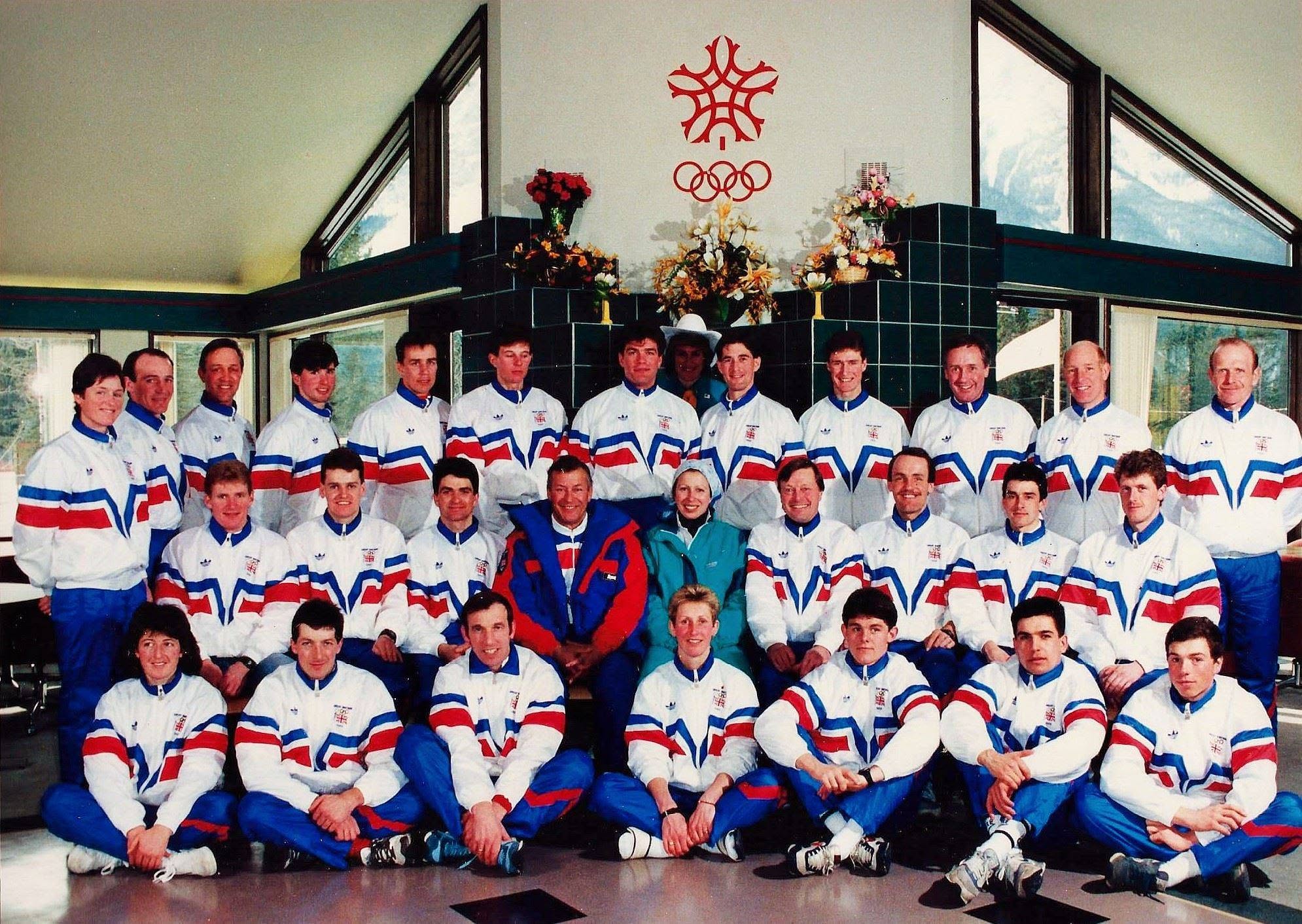
Experience formed in high-performance environments continues to inform the philosophy today.
One coherent direction
Relationships and Resilience
The coach-athlete relationship must be built upon complete transparency, honesty and trust. I want an elite athlete to develop ownership and understanding of their training and to contribute to decisions. But those decisions should be made together within one coherent performance strategy, with the coach ultimately responsible for maintaining the direction of that strategy.
The same principle applies to the wider performance team. Physiologists, strength and conditioning coaches, physiotherapists, doctors, nutritionists and other specialists can provide enormous value, but their expertise should feed into one coordinated performance plan through the coach. An elite athlete cannot have several different people independently steering the training process in different directions.
I believe elite athletes also require an extraordinary level of internal self-belief and even selfishness in pursuing excellence. My role is not to remove those qualities but to help the athlete control and channel them. Internally, that intensity can become focus, competitiveness and absolute belief; externally, I want the athlete to retain humility and respect for others.
Poor races, bad sessions, injuries and illness are part of elite sport. My first response is not to panic or search for blame, but to ask why. I believe there is normally a reason why something has gone wrong. The responsibility of athlete and coach together is to identify that reason, learn from it, minimise the likelihood of it happening again and find the best route forward.
There are two things on which I will not compromise: honesty and coherence of direction. There are many successful training philosophies in endurance sport, but constantly moving between different systems because another coach, athlete or expert is doing something differently destroys consistency. Choose the route, understand why you have chosen it, continually refine it around the individual and believe in it.
What success means
Discover just how good they can become.
Ultimately, success to me is not defined by one particular time, medal or ranking. Success is achieving what athlete and coach set out together to achieve. The destination will be different for every athlete, but my responsibility as a coach is to give that individual the best possible opportunity to discover just how good they can become.